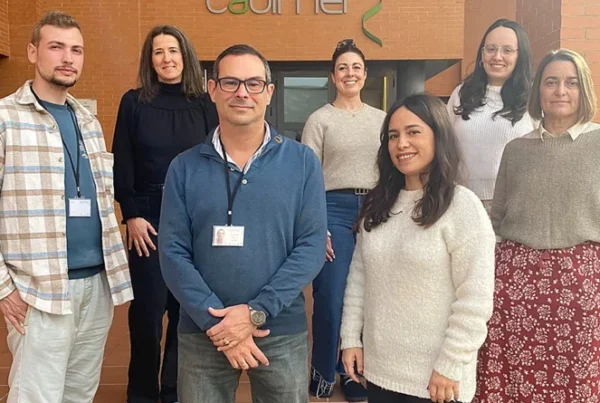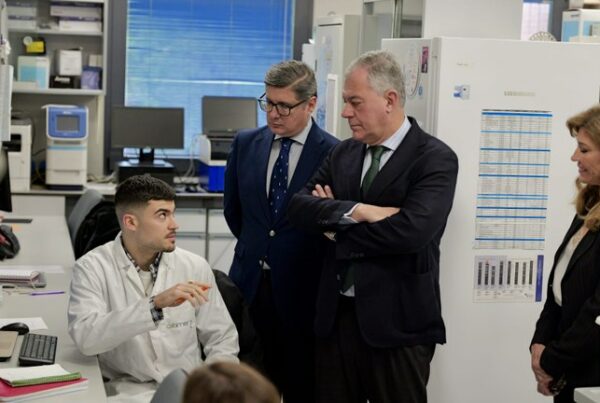

A research team at the Andalusian Center for Molecular Biology and Regenerative Medicine (CABIMER) has identified factors that threaten cell survival in the absence of cell cycle surveillance mechanisms, a characteristic commonly found in tumour cells.
For cells to divide successfully, their genetic material (DNA) must be replicated accurately and efficiently. This stage represents the most vulnerable phase of the cell cycle, making it essential to identify the factors that can disrupt the process. One of the cell’s primary protective mechanisms is the DNA replication checkpoint, an evolutionarily conserved surveillance system found in organisms ranging from yeast to humans.
According to Dr. Belén Gómez, the University of Seville researcher who led the project, cancer cells often accumulate mutations in this checkpoint, enabling them to tolerate uncontrolled proliferation. The study suggests that additional mutations in factors identified by the research may contribute to chemotherapy resistance by promoting cancer cell survival despite DNA damage. These findings provide valuable insights into the molecular mechanisms underlying treatment resistance and may help guide the development of more effective anticancer therapies.