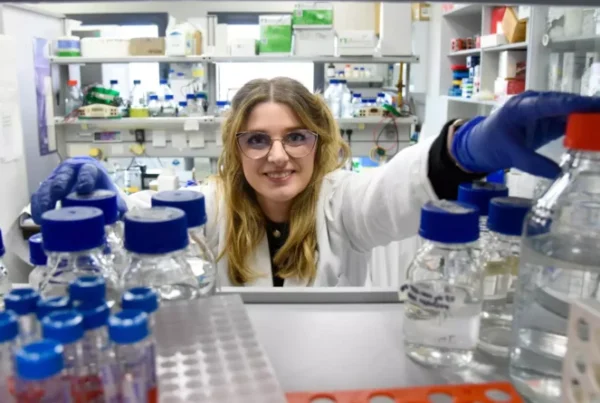

The discovery was led by the Department of Genetics at the University of Seville and the Cabimer Institute
A team of researchers from Seville, led by Dr. Iván V. Rosado from the Department of Genetics at the University of Seville and the Cabimer Institute, has discovered a new molecular mechanism that causes fragility in the chromosomes of cells affected by Fanconi anaemia. The discovery, the result of national and international collaboration, sheds light on the causes of this rare genetic disease.
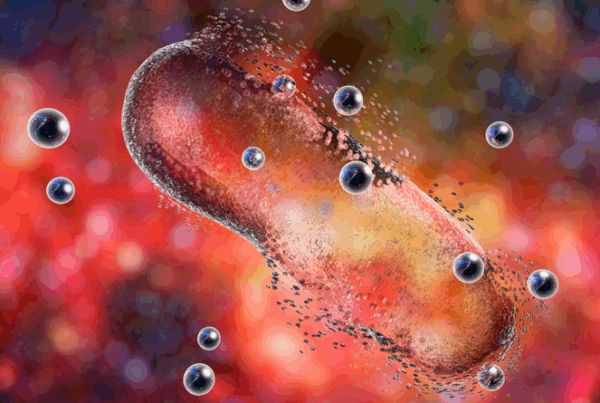
The mechanism identified is based on the extremely strong covalent binding of proteins to DNA, forming what are known as DNA-protein crosslinks (DPCs). These DPCs physically block the natural processes of genome copying and reading. Specifically, the DNA repair protein called HMCES attaches itself to damaged sites in newly duplicated DNA, causing DNA breaks that trigger the chromosomal fragility observed in patients with Fanconi anaemia.
More information at the following link: