
Dr. Pablo Huertas
Help us understand how the genetic information that sustains life is protected
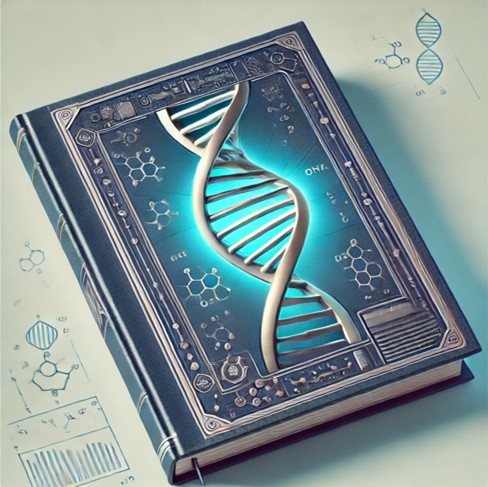
Each of our cells depends on a vast and complex source of genetic information contained in DNA to function properly. This DNA is like a vital instruction manual for the proper functioning and survival of the cell. However, due to its constant use, this “book” is constantly exposed to wear and tear and possible alterations. It is estimated that every day, the DNA of a human cell can undergo more than 20,000 physical or chemical changes, which, if not corrected, would seriously jeopardise cell viability.
How is our DNA protected?
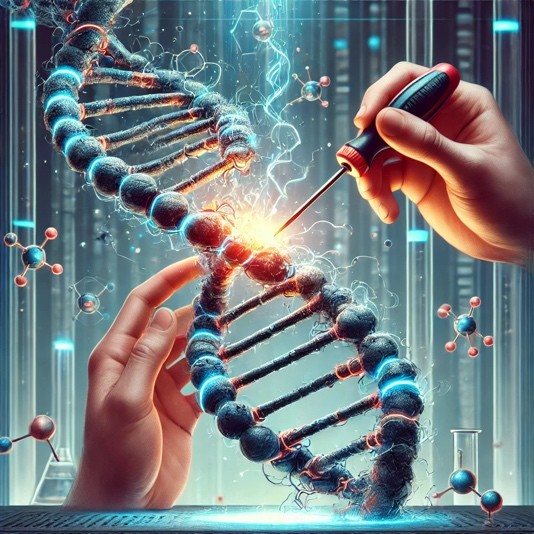
Over the course of evolution, our cells have developed a series of incredible mechanisms to “repair” this damage and maintain the integrity of genetic information. These repair systems are essential and extremely varied, as each type of alteration requires a specific mechanism. Despite these sophisticated defence mechanisms, some types of DNA damage are particularly dangerous.
In our laboratory, we specialise in studying how cells can repair a critical alteration: breaks in the DNA molecule. Although these breaks are not common, their consequences can be devastating. When not repaired correctly, breaks in DNA can cause mutations, i.e. changes in genetic information that can trigger serious problems in the cell.
The impact of mutations
Under normal circumstances, our cells can handle a small number of DNA breaks without affecting their function. However, when these alterations increase, either due to exposure to external agents such as radiation or toxic substances, or due to a deficiency in DNA repair mechanisms, mutations accumulate. This phenomenon can lead to diseases, some of them rare, where patients do not have the ability to repair their DNA properly.
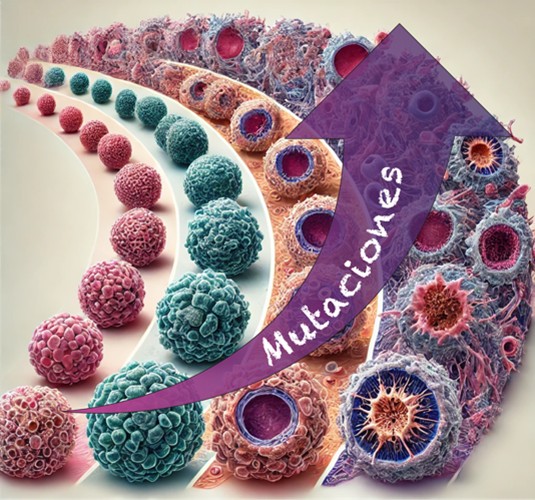
Cancer and DNA repair
Another alarming example of this process occurs in cancer. Tumour cells, like those with defects in their genetic repair, accumulate mutations in their DNA on a recurring basis because they often have problems repairing DNA or because of their exposure to external agents such as tobacco or radiation. This inability to repair damage properly is one of the reasons why cancer cells grow and multiply uncontrollably. Fortunately, this vulnerability of tumour cells is used strategically in treatments such as chemotherapy and radiotherapy, which seek to further damage the DNA of these cells to stop their growth.
Your support is crucial
In our laboratory, we are working hard to better understand these DNA repair processes and how their malfunction can lead to serious diseases. We also want to use this knowledge to propose new, more effective therapies against cancer. But to continue our research, we need your help. Your donation can make a difference in the search for solutions to rare diseases and cancer, and in improving the quality of life for thousands of people.
Help us understand how life’s “instruction manual” is protected. Together, we can advance research and find new answers.
